
Ammonia Thermal Decomposition
Ammonia thermal decomposition is a chemical process in which ammonia breaks down into nitrogen and hydrogen when exposed to elevated temperatures. This reaction is particularly important in industrial chemistry, energy production, and hydrogen-related technologies. Understanding its mechanisms helps manufacturers evaluate reaction conditions, process efficiency, and the behavior of ammonia under thermal stress.
Chemical Mechanism of Ammonia Thermal Decomposition
The thermal decomposition of ammonia involves the breakdown of its molecular structure. During this process, nitrogen and hydrogen are produced according to the following reaction:
2NH3 → N2 + 3H2
The reaction requires energy because chemical bonds within ammonia molecules must be broken. As a result, temperature plays a significant role in determining the reaction rate.
Influence of Temperature on Decomposition
Temperature is one of the most important factors affecting ammonia decomposition. At higher temperatures, molecular movement increases, allowing more molecules to overcome the activation energy barrier.
Consequently, the decomposition rate generally increases as temperature rises. However, industrial systems must maintain controlled thermal conditions to achieve consistent conversion and avoid unnecessary energy consumption.
Role of Catalysts in the Reaction
Catalysts can significantly improve the efficiency of ammonia decomposition. Certain metals, particularly nickel, iron, and ruthenium, have been investigated for their catalytic performance.
These materials provide active surfaces where ammonia molecules can adsorb and undergo chemical transformations. Therefore, selecting an appropriate catalyst can reduce the temperature required for effective decomposition.
Effect of Pressure on Thermal Decomposition
Pressure influences the equilibrium of ammonia decomposition because the reaction produces more gas molecules than it consumes.
According to Le Chatelier’s principle, reducing pressure generally favors the production of nitrogen and hydrogen. Conversely, higher pressure tends to favor the formation of ammonia under equilibrium conditions.
Therefore, pressure management is an important consideration in industrial reactor design.
Hydrogen Production Through Ammonia Decomposition
One of the most significant applications of ammonia decomposition is hydrogen production. Ammonia contains a considerable amount of hydrogen by mass, making it a potential hydrogen carrier.
Through controlled decomposition, hydrogen can be released without directly relying on conventional hydrocarbon-based feedstocks. This characteristic has increased interest in ammonia cracking technologies for energy applications.
Industrial Equipment and Reactor Design
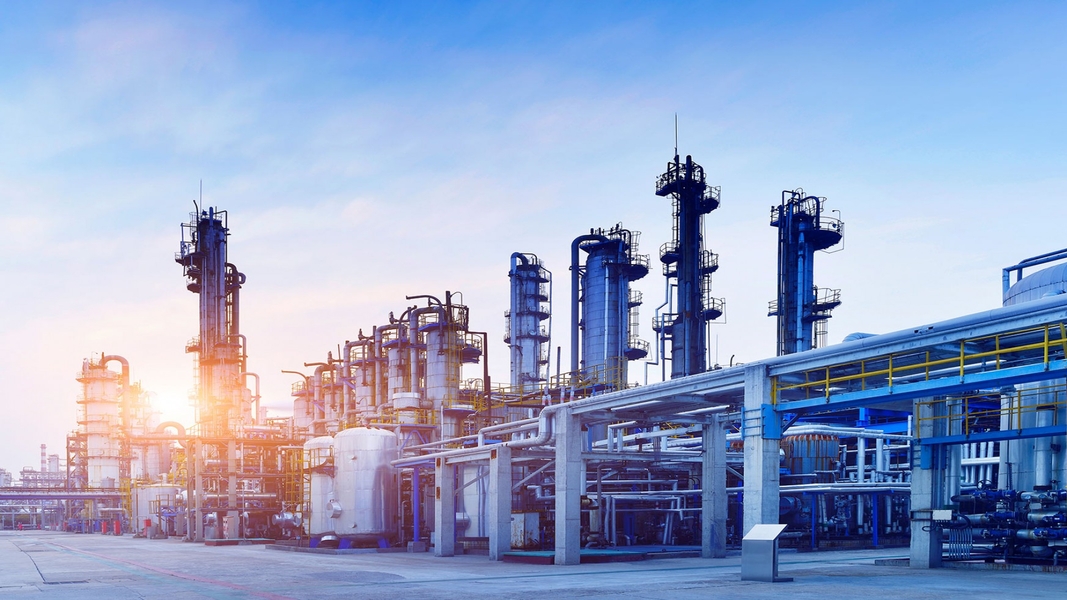
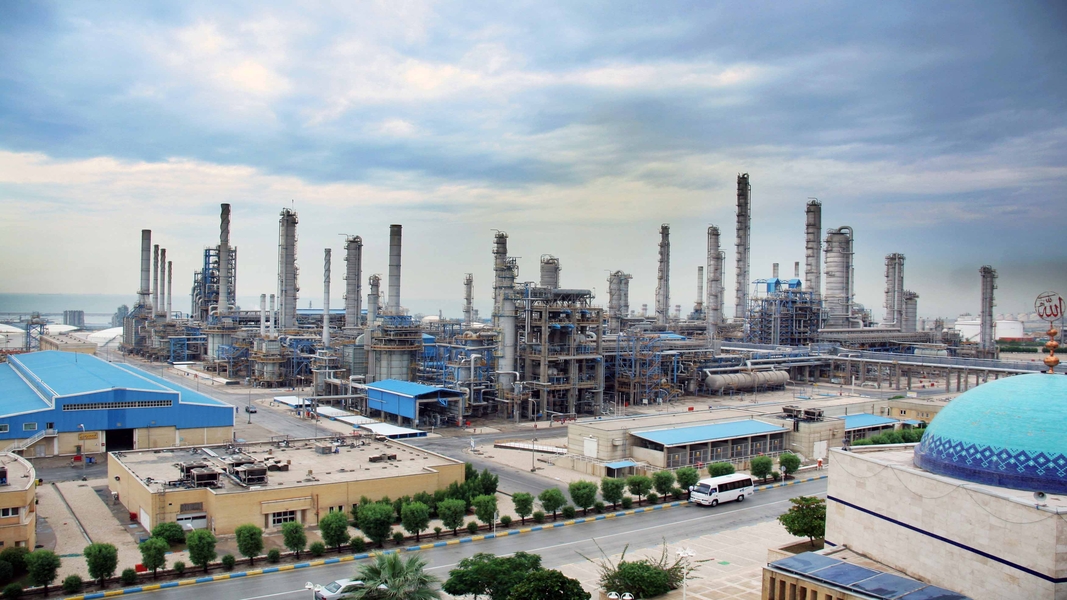
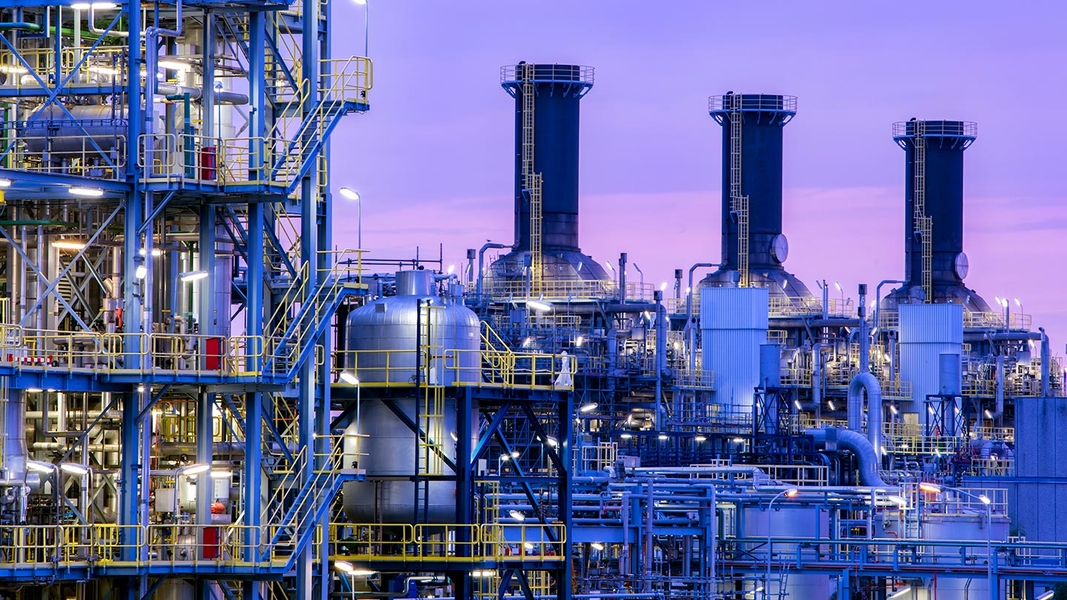
Industrial ammonia decomposition requires equipment capable of maintaining stable operating conditions. Reactors must withstand elevated temperatures and provide suitable contact between ammonia and catalytic materials.
Additionally, heating systems, gas distribution components, and temperature monitoring instruments contribute to operational efficiency.
Proper reactor design also helps maintain consistent gas flow and improve overall conversion performance.
Factors Affecting Reaction Efficiency
Several operating parameters influence the efficiency of ammonia thermal decomposition, including:
- Reaction temperature and heating uniformity
- Catalyst composition and surface activity
- Operating pressure
- Gas flow rate and residence time
- Catalyst condition and resistance to deactivation
Optimizing these variables helps improve conversion rates and maintain stable industrial performance.
Challenges in Industrial Applications
Despite its advantages, ammonia decomposition presents several technical challenges. High operating temperatures can increase energy requirements and place additional demands on reactor materials.
Furthermore, catalyst deactivation may reduce reaction efficiency over time. Impurities in the ammonia feedstock can also affect catalytic activity and product quality.
For this reason, feedstock purity and regular equipment monitoring remain essential.
Importance of Ammonia Quality
The quality of the ammonia feedstock directly influences the reliability of decomposition processes. Contaminants can interfere with catalytic reactions and potentially damage sensitive equipment.
Industrial buyers should therefore evaluate ammonia concentration, impurity levels, and product specifications before purchasing. Consistent feedstock quality supports more predictable operating conditions and reduces production risks.
Future Prospects of Ammonia Decomposition
Interest in ammonia decomposition continues to grow alongside developments in hydrogen technologies. Improvements in catalyst performance, reactor design, and energy management may make the process more economically attractive.
Moreover, ammonia cracking could support hydrogen transportation and storage systems in industrial energy networks. Continued technological development will determine how widely this process is adopted.
Conclusion
Ammonia thermal decomposition is an important chemical process with significant potential in hydrogen production and industrial applications. Temperature, pressure, catalyst selection, and feedstock quality determine its overall performance.
Understanding these factors enables industrial operators to improve reaction efficiency and maintain reliable production conditions. High-quality ammonia supply also remains an important requirement for achieving consistent results in thermal decomposition systems.
For high-quality industrial ammonia supply and reliable purchasing solutions, contact Sipan Holding to discuss your requirements and place your order.

